
Native payments: Stripe, Razorpay, and Play Billing
Why we wire payments through native SDKs instead of mobile web checkout — and what that means for conversion.
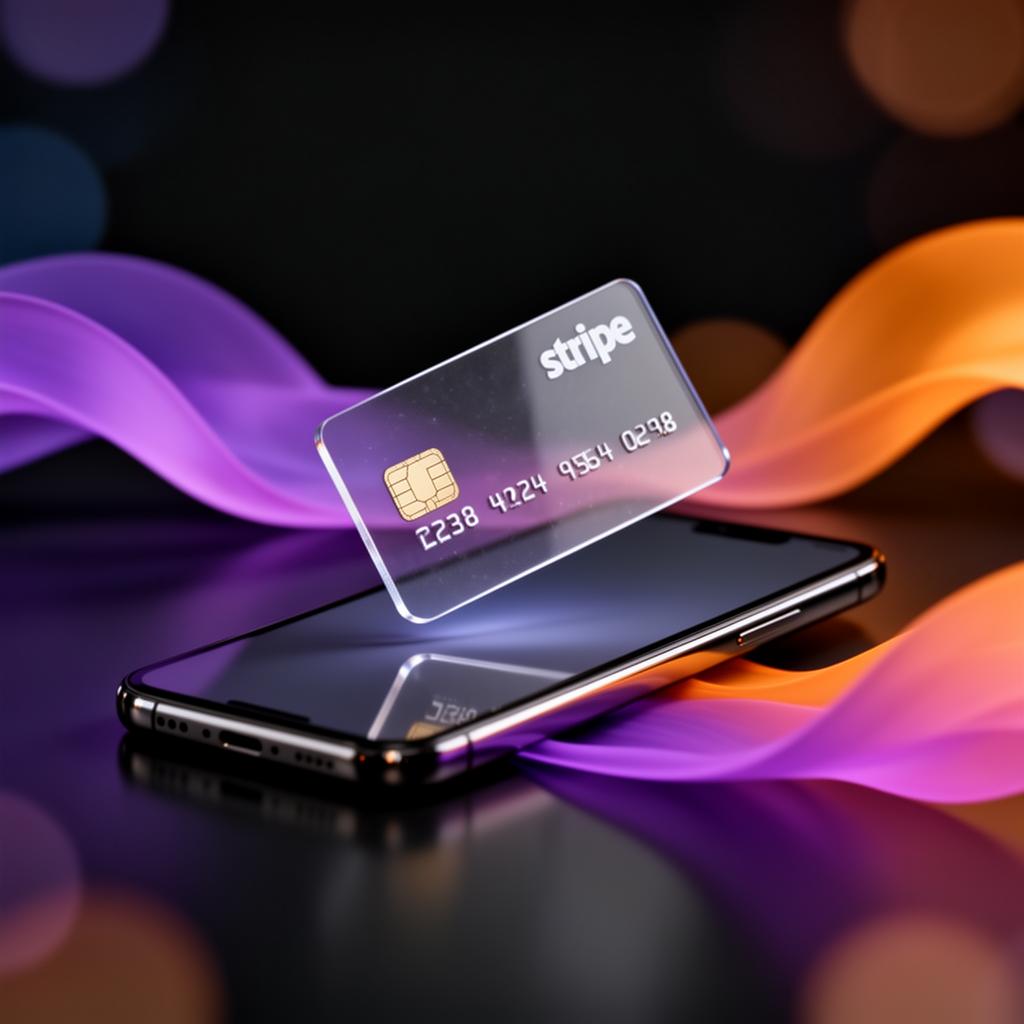
Web checkout on mobile leaks money. The form is fiddly, the keyboard fights the page, autofill misbehaves, and 3DS pop-ups break flow. Native payment sheets fix all of it.
Stripe#
Stripe's Android SDK ships PaymentSheet — a fully native bottom sheet with Google Pay, saved cards, and 3DS handled by Stripe's own webview when needed. Conversion lifts noticeably versus mobile web checkout.
Razorpay#
For India-first apps, Razorpay's native Android SDK supports UPI, cards, netbanking, and EMI without leaving the app. Apirex detects Razorpay in your web codebase and wires the same key/secret into the native SDK automatically.
Paddle and others#
Paddle's checkout overlay is web-only today, so we use a polished Custom Tab fallback with a deep link return. Less ideal than a native sheet but better than a raw WebView checkout.
Play Billing#
If you're selling digital goods that fall under Google's policy, Apirex wires Play Billing v6 instead — required if you don't want to be removed from the Play Store.
What we don't do#
We never ship card-collection forms inside the app. PCI surface stays at the payment provider. The app just hands off and listens for the result.
Keep reading
All articles →
Hello, Apirex.
The world doesn't need another app builder. It needs a way to give every existing website a real native life. That's what we're building.

Why real native beats a WebView every single time
WebView wrappers ship your website inside a browser. Apirex generates real Kotlin. Here's why that difference is everything.

Apirex vs other AI builders and assistants — where we're better
AI coding tools are exploding. Here's an honest, side-by-side look at why Apirex wins for shipping a real native mobile app.